







Search Results for: mineral water bottle cold brew
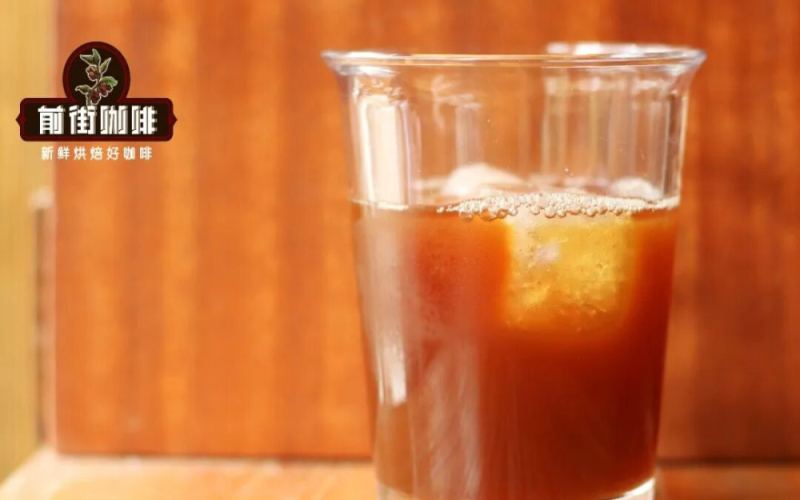
The Complete Process of Making Cold Brew Coffee at Home Using a Mineral Water Bottle: Parameters, Bean Selection, and Practical Tips
When the weather gets hot, cold brew becomes the go-to lifesaver for many coffee lovers. To enjoy cold brew, you don't necessarily need a dedicated cold brew pitcher—an ordinary plastic water bottle can just as easily produce a clean-tasting black coffee. This article explores the feasibility, cost, water usage, and extraction results of making cold brew with a plastic water bottle, along with specific details such as the coffee-to-water ratio, grind parameters, and steeping time. It also offers recommendations for coffee beans suitable for cold brew and tips to enhance the flavor. Using a 300ml plastic water bottle paired with Front Street Coffee's Fruit Ding Ding coffee beans as an example, the article provides a complete demonstration of the process from pouring water, grinding, adding coffee grounds, refrigerated steeping, to filtering and drinking, helping you easily make a budget-friendly and refreshing cold brew black coffee at home. [more…]
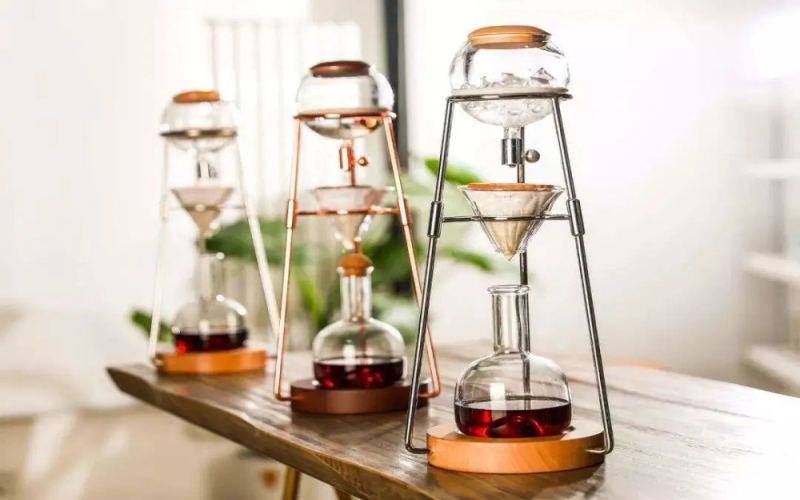
Home-made Cold Brew Coffee: A Complete Guide to Simple Equipment and DIY Methods
On a scorching summer day, a glass of cold brew coffee is a favorite for many coffee lovers. Traditional cold brew towers are not cheap, yet they are often used infrequently, so netizens have started to brainstorm and build all kinds of "DIY cold brew" contraptions using everyday items like filter cups, drip bags, and mineral water bottles. This article rounds up several of the most representative simple home cold brew setups: from stacking filter cups, to converting drip coffee bags, to combining moxibustion racks with plant-watering nozzles—each one showcases the creativity and dedication of coffee enthusiasts. Although these homemade devices are not as precise as professional cold brew towers, they make up for it with low cost, plenty of fun, and the joy of drinking iced coffee you extracted yourself. If you'd also like to try cold brew at home, you might as well take inspiration from these ideas and use the objects around you to start a low-temperature extraction experiment. [more…]
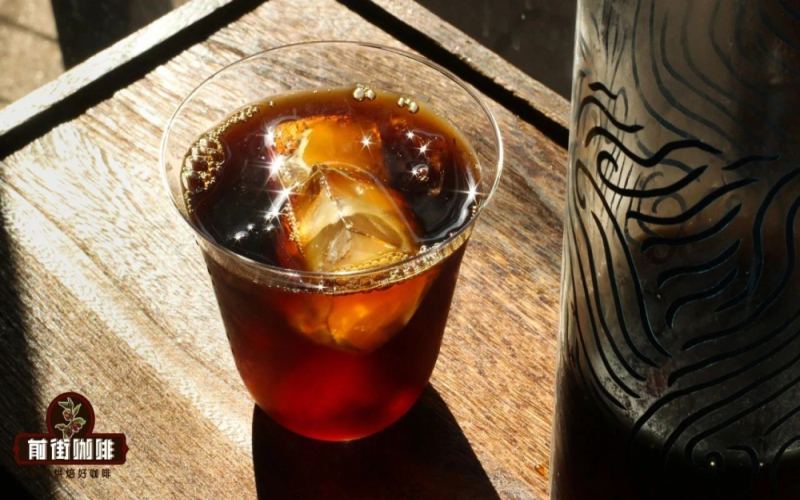
Cold Brew Coffee Bean Selection Guide: A Complete Operational Analysis from Grind Parameters to Steeping Time
As the weather warms up, cold brew coffee becomes the go-to choice for many coffee lovers looking to beat the heat. Compared with cold drip, cold brew has a lower barrier to entry in terms of equipment and is more flexible to work with—the key lies in choosing the right beans and managing grind size and steeping rhythm well. This article starts from the roast level and processing method of coffee beans, and, drawing on a range of single-origin beans from Front Street Coffee, offers specific bean-selection recommendations; it also explains in detail cold brew grind standards, coffee-to-water ratio, pouring method and steeping time, and clarifies the relationship between coffee bean resting period and cold brew flavor, helping you make a cup of cold brew that is clean and stands out for its sweetness. [more…]
How Does Water Quality Shape Cold Brew Flavor? Coffee Brewing Recommendations After Testing Four Types of Drinking Water
In a cup of black coffee, water makes up the vast majority, so its impact on flavor must not be underestimated. Different brands of drinking water vary in mineral composition, hardness, and pH, so the coffee brewed with them naturally takes on different characteristics. To investigate this variable, Front Street Coffee selected four common drinking waters—Baisui Mountain, Nongfu Spring, Ganten, and C'estbon—and used the same Costa Rica Mozart coffee beans to make cold brew, measuring TDS, coffee liquid concentration, and recording flavor performance one by one. The experiment found that the amount of calcium and magnesium ions in water affects extraction efficiency and taste direction, while Nongfu Spring with medium TDS and C'estbon purified water each showed distinct stylistic differences. This article will present the full experimental process and tasting results, and offer water selection suggestions for different taste preferences. [more…]
Analysis of Cold Brew Coffee Extraction Principles and Flavor Characteristics, with Equipment Operation Steps and Usage Precautions
Cold brew coffee uses cold water at 5°C, slowly dripping through the coffee grounds over several hours of extraction, yielding a coffee liquid with rich aroma, a round and smooth mouthfeel, full body, and particularly outstanding flavor expression. Its greatest advantage is that it is neither sour nor astringent and does not irritate the stomach, which is thanks to the choice of dark-roasted coffee beans and the entire cold-water extraction process, avoiding the astringent substances released by hot water at high temperatures. This article will provide a complete introduction to the key points of making cold brew coffee, from the principles and characteristics, the use of equipment, precautions, to the specific production process of the Dutch-style drip brewer, helping coffee enthusiasts make the ultimate 100% original-flavor water-drip coffee at home. [more…]
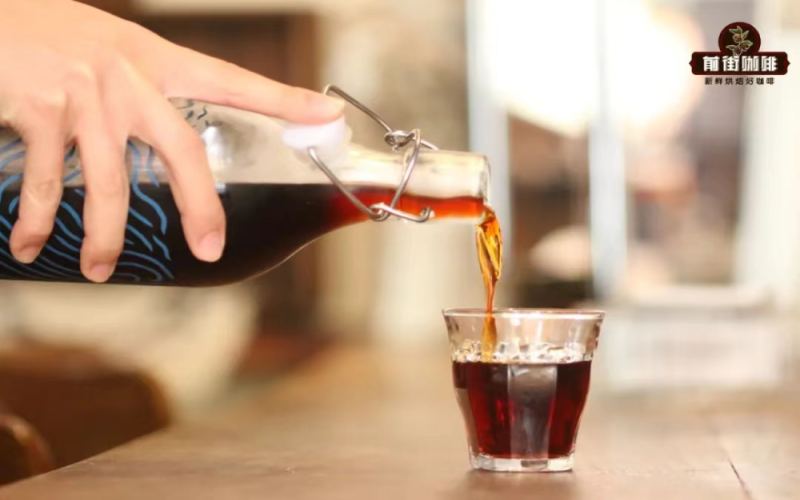
Cold Brew Coffee vs. Cold Brewing and Ice Drip: A Complete Guide to the Differences and Step-by-Step Home Brewing Tutorial
Cold brew, cold brew immersion, and ice drip coffee are three names that are often used interchangeably, leaving many coffee enthusiasts confused. This article approaches the topic from Front Street's perspective, first clarifying the differences between the three in terms of definitions and extraction principles, then explaining their respective taste characteristics. It then offers suggestions for bean selection for cold brew coffee, recommending Front Street Fruit Ding Ding, Front Street Huakui, Front Street Xizhao, and other beans suitable for summer cold brew. Finally, it includes a simple cold brew method covering grind size, coffee-to-water ratio, the effect of refrigeration time on flavor, as well as filtering and resting steps, to help readers make a fragrant, clean-tasting cold brew coffee at home. [more…]
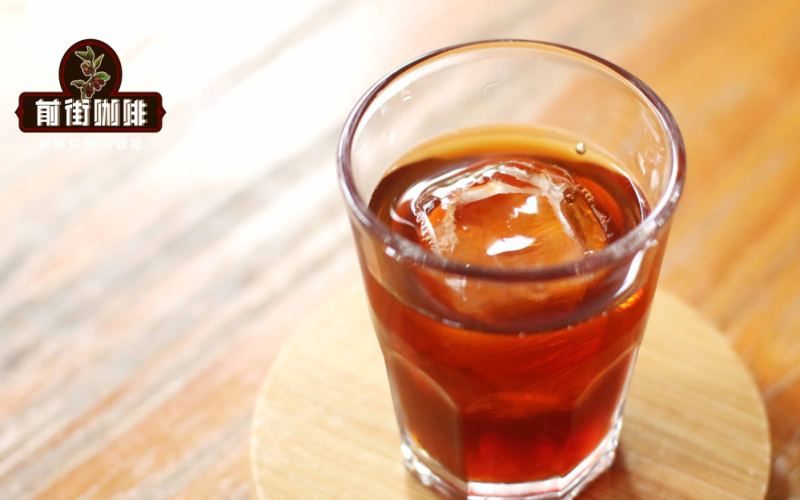
How does cold brew steeping time affect flavor? Extraction results and bean selection tips for 12 to 24 hours
Cold brew coffee has become a popular drink in recent years, and its core lies in the long soaking of coffee grounds in cold water for low-temperature extraction. But is longer soaking time always better? Through Front Street's comparative experiments, this article analyzes in detail the differences in cold brew flavor among four time periods—4 hours, 8 hours, 12 hours, and 24 hours—and explains the effects of soaking duration on concentration, complexity, and the balance of acidity, sweetness, and bitterness. At the same time, it shares a simple home cold brew process, coffee-to-water ratio, grinding suggestions, and recommends light-roast and balanced coffee beans suitable for cold brew, helping you find the cold brew solution that best suits your taste. [more…]
How to Choose the Steeping Time for Cold Brew Coffee? A Flavor Analysis of 12-Hour, 24-Hour, and 4-Hour Differences
Cold brew coffee has rapidly risen in popularity in the coffee world in recent years, thanks to its unique flavor profile achieved through low-temperature slow extraction. The method isn't complicated—just soak coffee grounds in cold water for 12 hours or more and then filter—but the length of the steeping time directly affects the final flavor. This article, through four sets of comparative experiments by Front Street Coffee, provides a detailed analysis of the flavor differences in cold brew steeped for 4, 8, 12, and 24 hours, and offers coffee bean recommendations suitable for cold brew, helping you find the steeping time that best suits your taste. [more…]
Cold Brew Coffee Recipe|Is Longer Extraction Always Better for Cold Brew? How Long Should Cold Brew Coffee Grounds Steep?
Under the scorching summer sun, walking the streets of Guangzhou, sweat drips from the top of your head all the way down into your clothes, and before long, your shirt is soaked through. This is a scene that has become common lately among the folks visiting Front Street Coffee (FrontStreet Coffee) shops. An ice-cold coffee can instantly rescue you from the inferno and bring you back to paradise. [more…]
Cold brew coffee bean brand recommendations | How long should cold brew coffee grounds be steeped to taste good? Which coffee beans make cold brew coffee with a juicy feel?
On a scorching summer day, walking the streets of Guangzhou, sweat drips from the top of your head all the way down into your clothes, and before long, your shirt is soaked through. This is a familiar sight at Front Street Coffee (FrontStreet Coffee) shops these days. An ice-cold coffee can instantly rescue you from the blazing furnace and bring you back to paradise. [more…]
Types of Espresso Drinks | Are There Big Differences Between Iced Americano, Iced Latte, Cortado, Flat White, and Dirty? What Is the Espresso Extraction Ratio? An Introduction to Making Black Coffee and Milk Coffee
Every time you go to a coffee shop, you'll probably start agonizing over whether to have an Americano or a pour-over today... or whether to go with a latte or a Dirty! Faced with a dazzling coffee menu and coffee products that all seem to look pretty much the same, what's actually the difference? In this article, Front [more…]
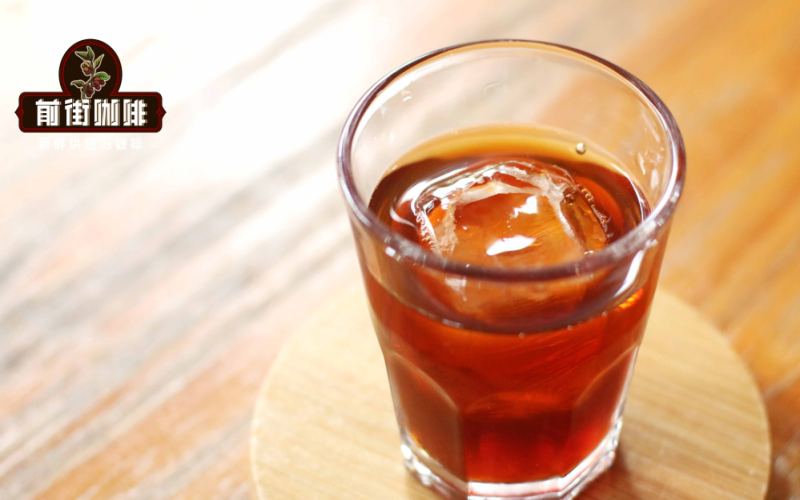
Is Cold Brew Coffee High in Caffeine? A Health Guide to Brewing Methods and Shelf Life
Cold brew coffee has gained much popularity in recent years, but many people wonder whether its caffeine content is on the high side, how to brew it more healthily, and how long it can be stored. This article will start from the principles of caffeine release, explain why cold brew coffee has a relatively high caffeine content, and introduce a simple and easy cold brew recipe in detail. At the same time, Front Street Coffee will recommend coffee beans suitable for cold brew based on different needs such as floral and fruity notes, specific flavors, and medium-dark roasts, and share the clever idea of adding dried flowers to enhance the flavor, helping you make a cup of full-bodied, well-balanced iced coffee. [more…]
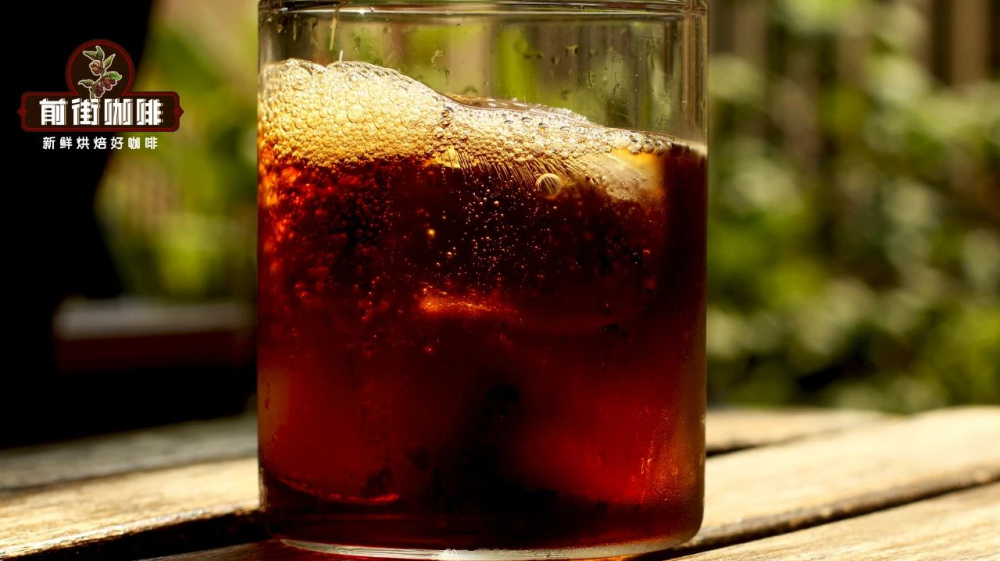
Cold Brew Coffee Grind Size | What's the difference between ice drip, cold brew, and cold brew iced coffee? What are the steps to make cold brew coffee? How do you choose cold brew coffee beans?
For more specialty coffee knowledge, please follow our WeChat public account: FrontStreet Coffee. Recently, many friends have been asking about cold brew coffee, so Front Street is taking this opportunity to talk about "cold brew coffee." Cold brew coffee is essentially different from the usual hot water brewing. It uses [more…]
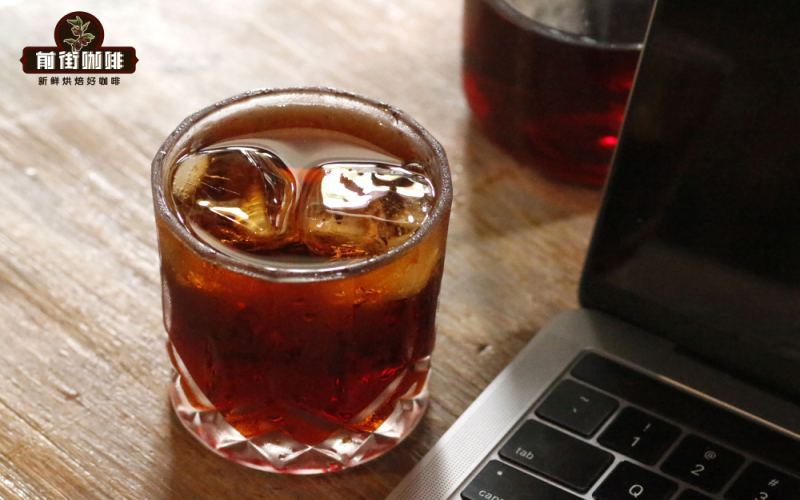
A Detailed Guide to Making Cold Brew Coffee at Home: From Basic Cold Brew to Coconut Water Blends and Cold Pour-Over
On a sweltering summer day, a glass of icy, smooth cold brew coffee is a perfect way to beat the heat. If you also love the pure taste that low-temperature extraction brings, why not follow this article and try a few different cold brew methods. The article first introduces the basic principles of cold brew coffee and the materials needed, then explains the complete process step by step, from steeping and filtering to tasting, and especially shares two variations: cold pour-over and coconut water cold brew. Throughout, single-origin beans from Front Street Coffee are used for demonstration, including sun-dried Sidamo, Butterfly, and a blend of Colombia Pink Bourbon and Costa Rica Mozart. Whether you are a beginner just getting into cold brew or a seasoned enthusiast looking to explore more flavors, you will find a recipe and technique that suits you. [more…]

A Complete Guide to Common Coffee Types in Cafés: From Espresso to Cold Brew, the Differences Between Iced Americano, Latte, Piccolo, and Dirty
Walking into a café and facing the dazzling array of coffee names on the menu, have you ever hesitated: what exactly is the difference between an Americano, a Latte, a Dirty, and a Flat White? In fact, these common coffees can be grouped into three major camps—the espresso family, the drip coffee family, and the cold brew family. Espresso-based drinks use espresso as their foundation and, by adjusting the types and proportions of ingredients, have evolved into a rich variety including the Americano, Latte, Cappuccino, Flat White, Dirty, and Mocha; drip coffee, on the other hand, covers pour-over and cold drip, emphasizing clean, transparent layers of flavor; cold brew coffee uses immersion to deliver a full, rich mouthfeel. In this article, Front Street Coffee will guide you through the production logic, key parameters, and flavor characteristics of each category, and share application suggestions for beans such as Front Street Dark Cocoa Blend, Huakui, and Mozart, helping you easily pick the cup you love. [more…]
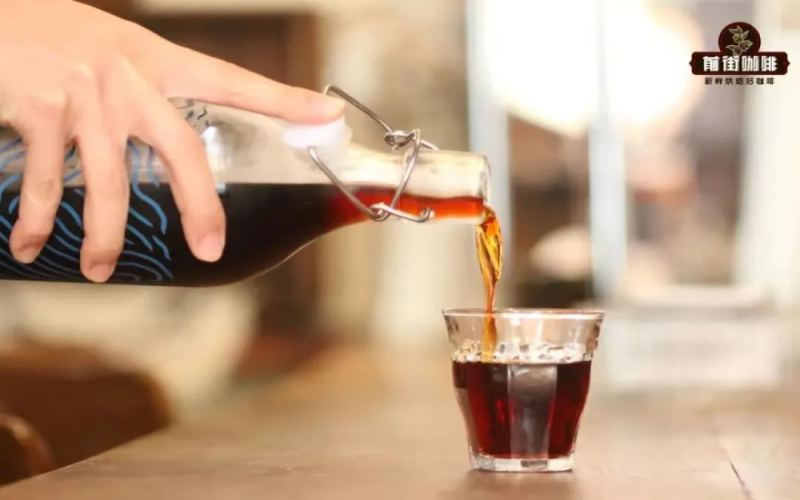
Cold Brew Coffee Guide: Grind Size, Coffee-to-Water Ratio, Steeping Time, and the Difference from Ice Drip
Cold brew coffee has attracted increasing attention from coffee enthusiasts in recent years. It extracts coffee liquid through long soaking or dripping with cold water, forming a sharp contrast with conventional hot water brewing. Cold brew and ice drip are the two most common forms of cold brew coffee. This article will systematically introduce the key points of making cold brew coffee, including suitable coffee bean selection, grind size standards, coffee-to-water ratio, and steeping time and other key parameters, while also helping everyone clarify the relationship between coffee bean flavor and cold brew extraction methods. The article also retains Front Street brand coffee bean recommendations, making it convenient for readers to choose according to their own taste preferences. [more…]
How to Determine the Water-to-Coffee Ratio and Grind Size for Cold Brew Coffee? A Complete Guide to Cold Brew Steeping Time and Coffee Bean Selection
To make a delicious cold brew coffee at home, the key is to master a few parameters: grind size, coffee-to-water ratio, and steeping time. Cold brew coffee is different from regular hot water brewing—it relies on long steeping or dripping with cold water to extract the coffee liquid. Common forms include cold steep and ice drip. Because extraction efficiency is low at low temperatures, the production time usually takes 6 to 8 hours or even longer, but in return you get a richer flavor and a fuller body. Refrigerated storage generally keeps it good for 3 to 5 days. This article covers cold brew coffee equipment selection, grind coarseness, water-to-coffee ratio, steeping time, and suitable coffee beans, and compiles several single-origin beans recommended by Front Street Coffee to help you make a cold brew coffee that is refreshing or has a prominent fermented note, according to your taste preference. [more…]
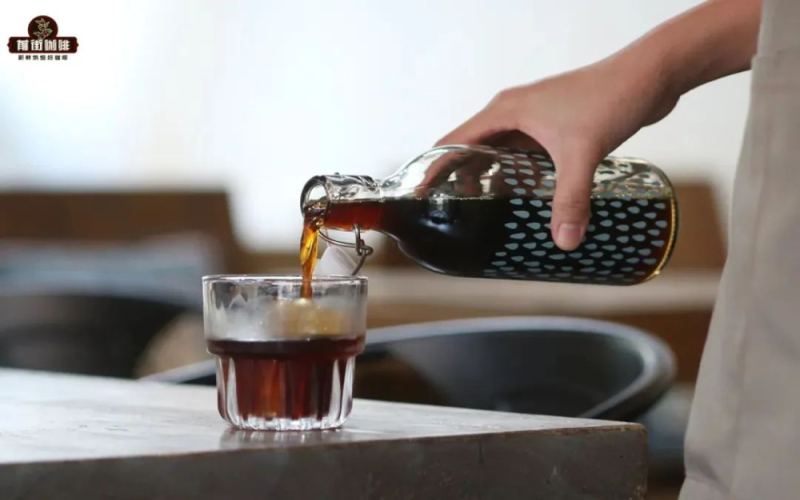
Where Does the Oil Film on Cold Brew Coffee Come From? A Full Breakdown of Low-Temperature Extraction Principles and Filtration Techniques
Cold brew coffee, with its advantages of simple operation and low cost, has become the go-to choice at home for many coffee enthusiasts. All you need is an airtight container and a low-temperature environment, and after several hours of steeping, you get a full-flavored iced coffee drink. However, many people discover during the process that a layer of oil often floats on the surface of the cold brew liquid, and can't help but wonder whether it has spoiled or the equipment is unclean. Where exactly does this layer of oil come from? And how should it be handled to achieve a clearer taste? This article will provide a detailed explanation of the extraction principles of cold brew, the phenomenon of oil condensation, the selection of filtration equipment, and ways to optimize the drinking experience, while also recommending several coffee beans suitable for making cold brew, helping you easily make a clean, translucent, and outstandingly flavorful cup of cold brew coffee at home. [more…]
What Causes the Oil Film on Cold Brew Coffee? A Detailed Explanation of Low-Temperature Extraction Principles and Filtration Techniques
Cold brew coffee, with its advantages of simple operation and low cost, has become the preferred way for many coffee enthusiasts to make iced drinks at home. However, many people find in practice that a layer of oil slick unexpectedly floats on the surface of a finished pot of cold brew, and they can't help worrying that the coffee has gone bad or the container was not cleaned properly. Where exactly does this layer of oil come from? In fact, its cause is completely different from that of the Crema on the surface of espresso. This article will focus on the low-temperature extraction principle of cold brew, explain the phenomenon of oil condensation, and share the complete operational details from filter selection to secondary filtration, helping you make a cup of cold brew coffee with a clear mouthfeel and full flavor. [more…]
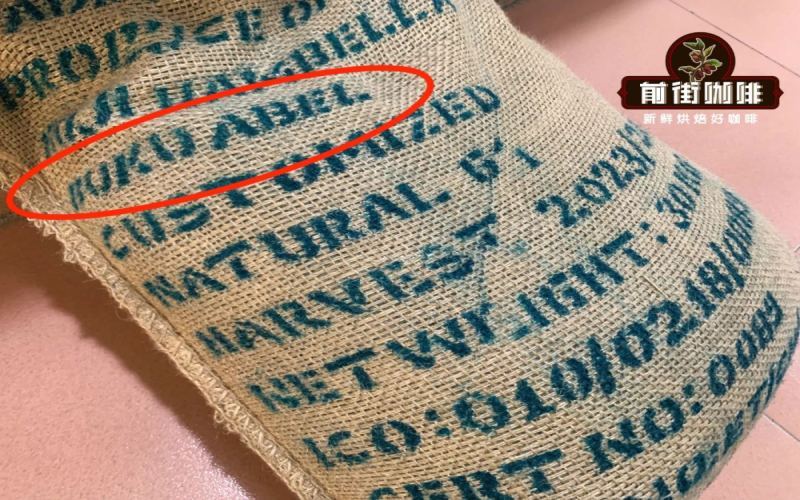
Decoding the Flavor of Huakui 5.0 Coffee: Four Brewing Methods from Hot Pour-Over to Ice Drip Cold Brew
Geisha 5.0 has arrived as promised. This naturally processed bean from the Buku Abel washing station in Ethiopia has won over many coffee lovers with its strawberry and creamy aroma. But does the new-crop Geisha still taste the same as before? The roasters at Front Street Coffee adjusted the roasting curve to suit its high moisture content and high density, and offered four extraction methods — hot pour-over, iced pour-over, ice drip, and cold brew — so that the gentle fruity notes of Geisha 5.0 can be fully released in summer. This article starts with the origin story of Geisha and then breaks down the specific parameters and operating details of each brewing method one by one, helping you find the cup that suits you best. [more…]